
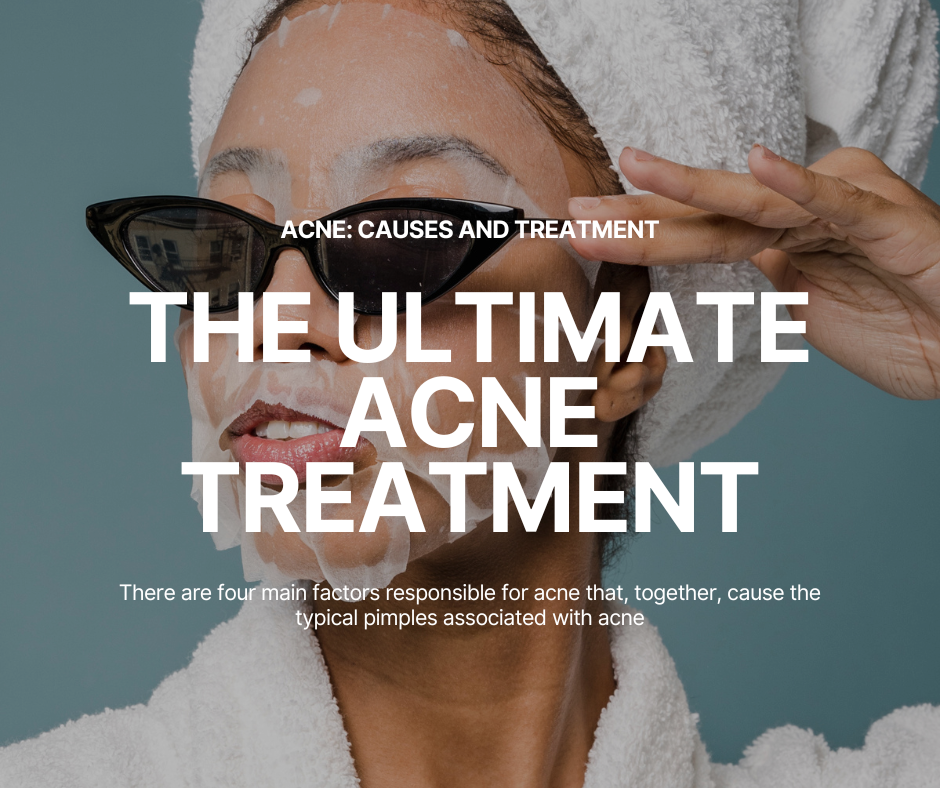
Acne: Causes and Treatment
There are four main factors responsible for acne that, together, cause the typical pimples associated with acne: Excessive activity in the glands, Clogged pores in the skin, Bacterial activity in the skin and Inflammation.
The Biological and Environmental Factors Behind Acne Formation
Over-Creation of Sebum
The fat glands are located deep inside the skin and are also known as sebaceous glands.
Fat glands are stimulated to produce fat by hormones. During periods of stress, the adrenal glands produce high levels of these hormones, a factor which leads to the growth of the sebaceous glands. During adolescence, the sebaceous glands operate more frequently in response to hormonal changes.
Clogging of the Skin Pores
Oily skin occurs when the sebaceous gland produces excess fat. Acne occurs when an area of the pores (through which the fat normally flows from the sebaceous gland to the skin’s surface) is blocked and, as a result, the fat gets trapped in the skin’s pores.
Fat that is captured in a pore transforms into a festering wound.
Skin Bacteria Activity
Acne is not caused by bacteria; however, bacteria can worsen the situation. The Propionibacterium acnes bacterium is a normal part of the skin’s surface. It keeps the skin from being attacked by harmful bacteria.
When fat is trapped in the hair follicles, the P. acnes skin bacteria will grow inside the clogged pores. The bacteria create chemicals that change the fat composition and turn it into inflammation.
Inflammation
Skin inflammation occurs when the body’s immune system tries to get rid of foreign material. In the case of acne, this material also includes bacteria or irritants created by the bacteria.
In such cases, bumps on the skin are created, such as:
- Blackheads – These are created when the pores are clogged close to the skin’s surface. As they are exposed on the skin surface, blackheads normally don’t become inflamed.
- Whiteheads – These are created as a result of deep obstruction inside the pores. In the absence of a drainage path, the fat accumulates in the skin and causes skin-colored or white bumps. Unlike blackheads, whiteheads tend to cause red or inflamed skin.
- Pustules (aka acne or pimples) – These occur when the walls of the blocked follicle are destroyed. Fat, dead skin cells, and bacteria that are normally found on the skin’s surface penetrate the skin and irritate it. This creates small areas of inflammation.
- Cysts – These are larger, redder, and include deeply inflamed areas in the skin that indicate a broader infection.
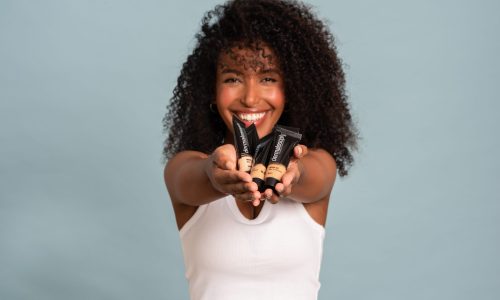
Want to know what the perfect treatment program for all causes of acne looks like?
The Products
Deep Cleanser for Problematic Skin
A unique cleansing cream that prepares the skin for active treatments from the CLEAR series.
Mask for Problematic Skin
A mask that removes excess fat from the skin’s surface and dries existing pimples.
Toner for Treating Oily Skin
Cleanses the skin, balances fat levels, and dries existing pimples.
Ultra Moisturizer for Oily Skin
Instantly moisturizes the skin, prevents new pimples, and soothes excessive dryness and redness.
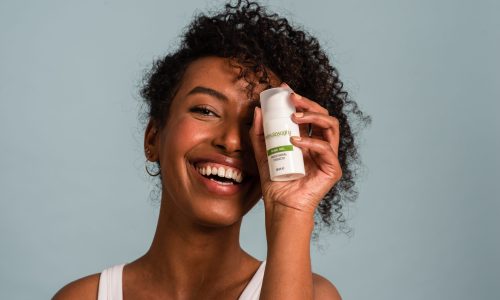
ACN.E Bio Treat Gel
A high-quality product for treating inflammatory spots quickly, leaving the skin smooth and pimple-free. Effective for moderate to severe inflammatory acne with antibacterial and anti-inflammatory properties.
ACN.E Repair Liquid
Designed for blackheads and some cases of inflammatory acne. Gently restores the skin, clears clogged pores, and eliminates blackheads and subcutaneous fats, while regulating sebum production.
ACN.E Basic Treat Gel
A product for inflammatory acne treatment with antibacterial activity and mild rejuvenation to prevent sebum buildup.
ACN.E Triple Treat Gel
A non-oily gel formulation for treating inflammatory pimples and reducing excess sebum. Suitable for inflammatory and comedogenic acne.
ACN.E Super Liquid
A powerful preparation for treating acne sores, cysts, and internal nodules. Quickly dries out spots and eliminates them, both above and below the skin’s surface. Also moderates excess fat and prevents new spots from forming.
Acne is the result of a combination of internal and external factors—excess oil production, clogged pores, bacterial growth, and inflammation—all of which can be effectively managed with the right treatment.
Directions for Use
Deep Cleanser for Problematic Skin
Use the foam to clean the skin before applying any active treatment.
Mask for Problematic Skin
Apply 2–3 times per week, let it dry for a few minutes, then remove with water.
Toner for Treating Oily Skin
Apply with cotton wool to clean the skin. Do not rinse.
Ultra Moisturizer for Oily Skin
Apply after active treatments until fully absorbed. Use 1–3 times per day.
ACN.E Bio Treat Gel
Use according to the cosmetician’s instructions.
ACN.E Repair Liquid
Use according to the cosmetician’s instructions.
ACN.E Basic Treat Gel
Use according to the cosmetician’s instructions.
ACN.E Triple Treat Gel
Use according to the cosmetician’s instructions.
ACN.E Super Liquid
Use according to the cosmetician’s instructions.